Introduction
When organising a corporate event, people often follow a less-than-ideal order: first the venue, then the catering, the technical team, the photographers, and only at the end the entertainment. By the time music enters the conversation, the budget is often tighter and the timeline shorter. That creates a clear problem: how do you still find a high-quality band?
Music sets the tone of an event, so it should be considered soon after the venue is chosen, or even before. The right atmosphere affects how comfortable guests feel speaking to each other, how the event is perceived, and the overall impression your brand leaves behind. Music shapes how the event is remembered.
This guide follows the full planning process for a corporate event: from defining your objectives to choosing the right lineup, from repertoire to logistics, all the way to operational coordination on the day itself. The recommendations below come from direct experience at high-level corporate events across Italy and Europe.
Step 1: Define the Event Objectives
Before choosing the music, clarify what the event is meant to achieve.
There is a substantial difference between an event designed to impress clients, an internal awards ceremony, a product launch aimed at press and influencers, and a networking aperitif where conversation is the real focus of the evening. Each type of event requires a different musical approach: not only a different repertoire and lineup, but also different energy levels, volume, and dress code.
Background music or featured music is the first decision to make. Background music gives the room tone while conversation, networking, or dinner remain at the centre. When music is featured, the performance becomes a moment in itself, something that can surprise guests and create a memorable experience. Confusing these two roles can make even a well-designed event feel less coherent.
Define this first, or rely on an experienced musician who can guide you. Ask yourself: while the live music is playing, should guests be talking or listening? If they are talking, is the focus business or a more relaxed social exchange? The answer determines the lineup, the repertoire, and whether volume should stay compatible with easy conversation or support more engaging moments.
The information you send to a band should make clear: the format of the event (cocktail, dinner, conference, and so on), the expected number of guests, the audience profile (industry, nationality, typical roles), the purpose of the event, and the atmosphere you want the music to create. A message such as "We want jazz for our gala dinner" is not specific enough and easily leads to misunderstandings. "We would like background jazz for a black-tie dinner for 180 executives in the financial sector, mainly Italian and German, where the first hour is cocktails and the following two hours are a seated dinner with three speeches" is already much clearer.
Step 2: Align the Musical Style with the Brand and Context
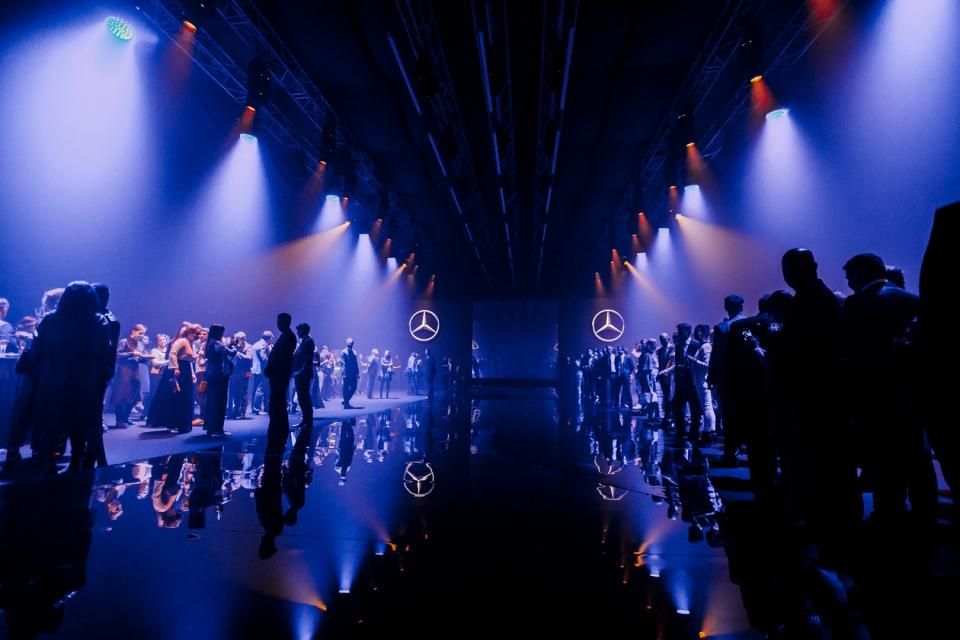
Companies have aesthetic identities, whether or not they have ever articulated them. A luxury automotive brand and a Milan-based fintech communicate different things to their clients. The music should feel coherent with both the brand and the setting of the event, not like a generic add-on that could belong anywhere.
In practice, that translates into a specific choice of repertoire and musical style. Some examples:
- Financial institutions, law firms, luxury retail: classic jazz standards, from Gershwin to Cole Porter, communicate stability, refinement, and restraint. This is not the right context for overly adventurous arrangements.
- Fashion, lifestyle, hospitality brands: bossa nova, Italian jazz, music with groove such as nu-soul and r'n'b. A warmer, more international language with a slight opening toward the contemporary.
- Technology, innovation, media: contemporary jazz, original pieces, and distinctive arrangements of familiar songs. These audiences generally expect something unique and original.
- Automotive, industrial, manufacturing: often more traditional audiences. Classic jazz and bossa nova, precise execution, impeccable dress. Better to avoid surprises.
The band's visual presentation is as important as the repertoire. The same outfit that works perfectly at one event can feel out of place at another. Make sure the band has understood the style of the event and ask them to confirm their wardrobe choice.
One aspect that is often overlooked: share the audience profile with the band. Italian corporate audiences behave differently from German or British ones. What may feel engaging and charming to an international audience, such as certain typical Italian songs, can feel predictable or overused to a local audience. A professional band adjusts repertoire, stage presence, and communication style accordingly.
Step 3: Plan the Music Around the Flow of the Event
To get the best result, live music should be placed carefully within the event schedule. Most corporate events have three or four distinct phases, and the music should evolve with each one.
For example, here is a realistic schedule for a 4-hour luxury gala dinner for 150 guests:
19:00 – 19:45 - Welcome cocktail (arrival music)
Guests arrive, drink in hand, and begin to socialise: elegant, upbeat background music at a low volume. Bossa nova, instrumental jazz standards, nothing that demands too much attention. The goal is to create warmth and atmosphere. A duo or trio is usually enough.
19:45 – 20:00 - Transition to dinner (room change)
Guests move into the dining room. A short pause in the live music is often best here, so the welcome announcement or opening speech has the silence it needs to be heard clearly.
20:00 – 22:00 - Seated dinner
In most cases the band will play 30 to 45-minute sets, with short breaks in between. One important detail: make sure the band is also prepared to provide recorded background music during those breaks. The volume of both live and recorded music needs careful calibration against table conversation: high enough to fill the room and avoid awkward silence, low enough that guests can speak without raising their voices. Getting this balance right is one of the most delicate parts of the job and requires real experience in this kind of setting.
22:00 – 22:30 - Awards or speeches (music stops)
The band stops completely and, at most, may play only very light recorded background music. If a sound technician is present, it can also work well to bring the music gently in and out between speeches.
22:30 – 23:30 - Post-dinner reception / dancing
Here the energy can lift: an experienced quartet can move naturally into more upbeat material and more involving rhythms, while still respecting the balance of the evening.
The key coordination point is this: the band needs to receive a formal running order, meaning the precise event schedule, at least two weeks in advance. That makes it possible to plan transitions, agree on cues with the event coordinator, and identify the moments when the music needs to fade, stop, or change energy. A sudden improvised handover from one moment to the next is immediately noticeable, so make sure the band understands every transition before the event begins.
Step 4: Venue Acoustics and Technical Logistics
The acoustic character of a venue changes significantly between an empty room during soundcheck and a full room during service. A room with 200 guests absorbs much more sound than an empty one: bodies and clothing act as sound absorbers. A band that feels slightly loud during soundcheck may sound perfectly balanced during dinner. Keep that in mind.
Some Italian venues present recurring challenges:
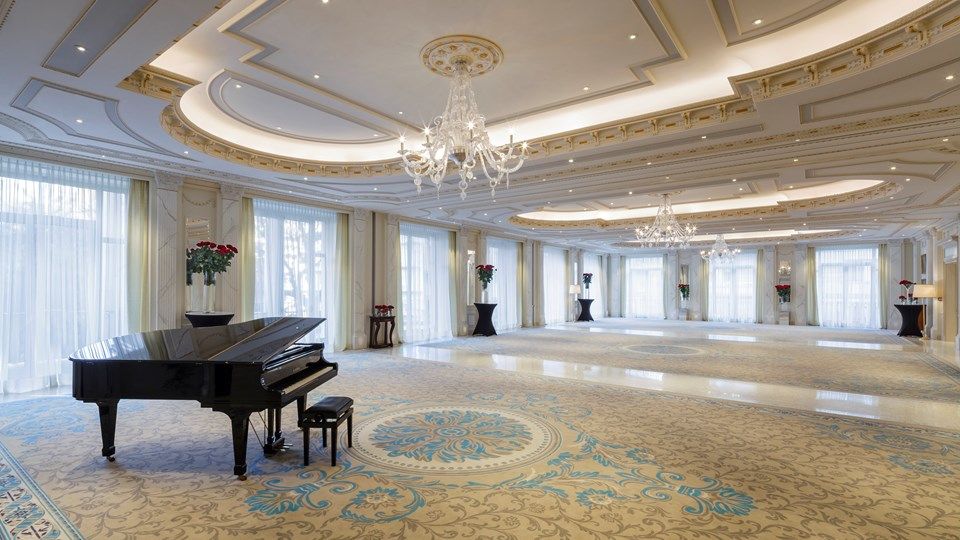
Historic venues (villas, palace atriums, old hotel ballrooms): stone walls, high ceilings, marble floors. These spaces often have long reverberation times, creating echo and boominess. A quartet with drums in a highly reverberant room can quickly become unclear even at medium volume. In these spaces, pay close attention to the lineup, the placement of the band, and the pace of the music. When in doubt, ask an experienced bandleader for advice.
Modern hotels: they usually have decent acoustic design, but often limited in-house audio systems. The standard hotel sound system is built for speech, not for live music. A professional band should bring its own PA instead of relying on venue equipment. At a high-level event, that is usually the safer choice.
Outdoor events: wind is the main enemy, especially for microphones. Power access is often inadequate too, so confirm sockets and extension leads with the venue before the event, not on the day itself. Outdoor events in Italy between late April and October are generally manageable, but it's always wise to have a Plan B in case of bad weather.
Before confirming a booking, ask for the room dimensions and ceiling height, a floor plan with the proposed stage area, the venue's audio system specifications, and the name and phone number of the in-house sound technician, if there is one, so the band can coordinate directly. An experienced bandleader and sound engineer can save you a great deal of stress, so make sure they are in contact.
Step 5: Coordinate All the Suppliers Involved
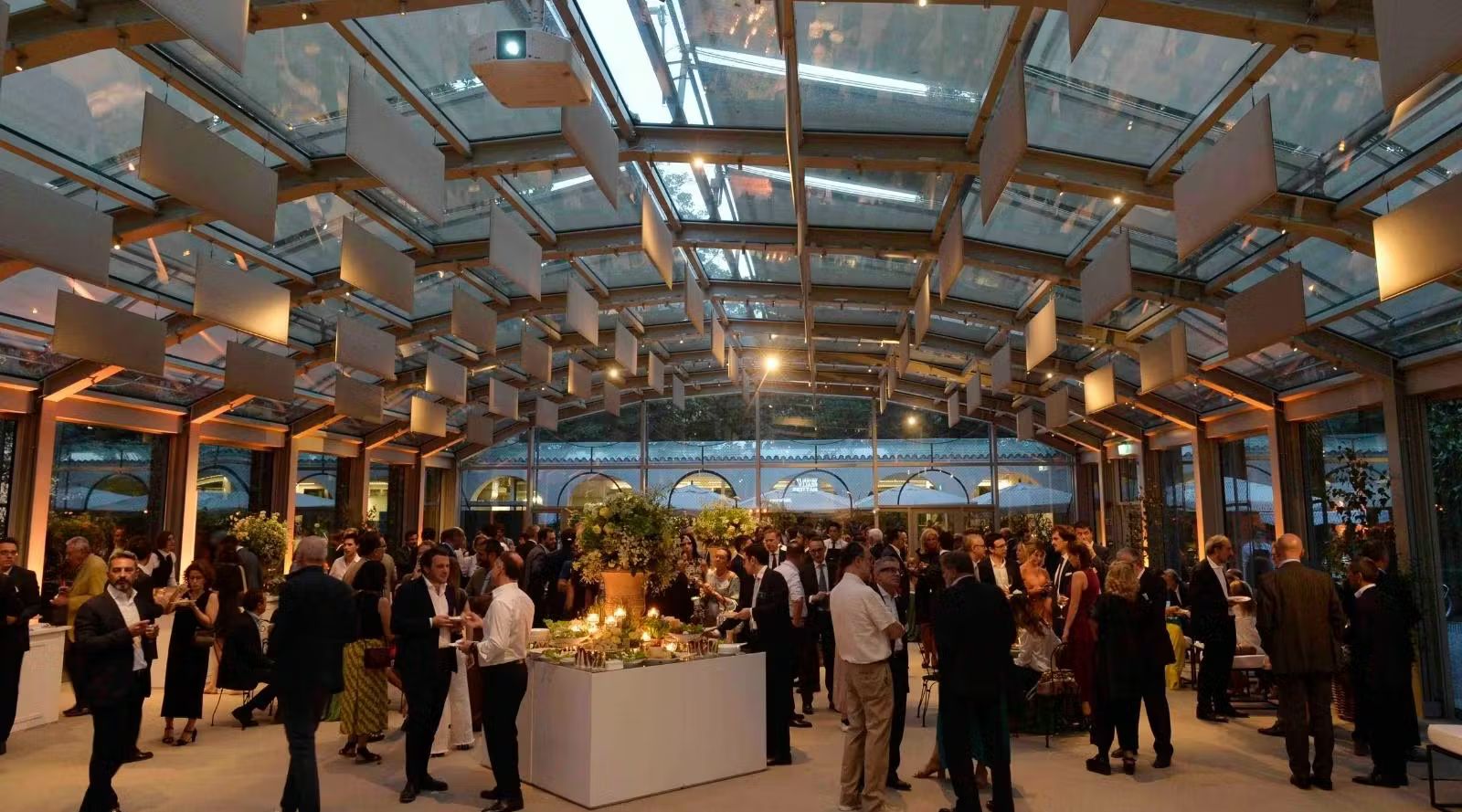
A high-level event involves many suppliers, and music is only one part of the bigger picture: catering, photographers, videographers, the technical team, and musicians all need to be aligned for the best result.
Most problems can almost always be prevented with one meeting or one shared document.
What the band needs from the other suppliers:
- From catering: the service schedule (starter, main course, dessert, special moments, and so on)
- From the venue: load-in time, lift access for equipment, and the nearest parking that a van can actually reach
- From the audio/video team: a floor plan showing the stage area and the distance from the power outlets, plus whether everyone is connecting to the same system or using separate systems
- From the event coordinator: the running order for all key moments, including speeches and presentations
What the other suppliers need from the band:
- The technical rider (audio requirements, stage dimensions, power, and any special requests)
- Arrival and soundcheck time
- Set structure and break times
- The name of the contact person for day-of coordination
On the day itself, it is useful to have a quick check-in between the band and the coordinator during soundcheck to confirm the operational cues. This is standard practice for any professional music team and prevents avoidable misunderstandings.
Step 6: Manage the Budget Carefully: What Are You Really Paying For?
When it comes to live music, trying to save money at all costs can easily become the more expensive choice. In corporate entertainment, you are not only paying for the number of musicians. You are also paying for organisational skills, musical expertise, reliability, experience in high-pressure environments, and the ability to deal calmly with the unexpected.
At a corporate event with important clients, entertainment failure has a brand cost that is disproportionate to the money you saved. A band that arrives late, plays too loudly, ignores the running order, or doesn't have the proper etiquette is not a small issue. It can cause real reputational damage.
Indicative price ranges for Italy (2026):
| Configuration | Typical range | Best for |
|---|---|---|
| Jazz Duo (sax + piano/guitar) | €1,800 – €2,800 | Intimate dinners, VIP receptions, meetings up to 80 guests |
| Jazz Trio | €2,100 – €3,600 | Cocktail receptions, corporate dinners up to 150 guests |
| Jazz Quartet | €2,400 – €4,800 | Gala dinners, awards ceremonies, large events |
| Quintet with vocals | €2,800 – €5,000 | Prestige events, full musical programmes |
| Full ensemble / bespoke setup | From €5,000 | Ultra-luxury events, large-scale productions, custom formats |
Listen to some examples of each format format in our line-up videos.
These figures should be read as broad guidelines. They generally include the musicians, a professional PA system, and travel within a standard distance from the musician's base, but that should always be confirmed in the quote. When comparing offers, always check what is included and what is not. A €900 quote for a duo that excludes taxes, equipment, sound engineer, or travel can easily end up costing much more, or leave you discovering on the event day that nobody brought a sound system.
One final point: for truly prestigious events, ask whether the band offers full-service coordination (liaising with other vendors, managing the runsheet, providing an on-site production lead), or whether they provide only the musical performance. At high-stakes events, having a single point of contact for all entertainment logistics is worth the additional cost.
Common Mistakes to Avoid
Choosing based on price.
Trying to save money on music is a mistake that can, in some cases, cost your company its reputation. Choose instead based on the atmosphere you want to create, and weigh reliability, professionalism, equipment quality, and the impact on your guests and clients. Think of the difference between an artisanal product and a mass-produced one.
Giving vague information to the musicians.
"We want something elegant" is often not enough. The band cannot prepare properly without knowing the audience profile, event format, type of venue, and running order. The more specific the details you share, the better the result.
Forgetting to include soundcheck in the schedule.
Soundcheck is not optional. A professional band needs 45 to 90 minutes to set up, test levels, calibrate the room, and brief with the event coordinator.
Not briefing the band on the audience.
A band that does not know it is playing for a mixed group of Italian, German, and French executives will make different choices from one that does. Nationality, role, average age, language, and cultural context all influence how a professional band handles volume, interaction, and repertoire.
Leaving entertainment as the last booking.
The best bands, especially in peak periods, are booked several months in advance. If you ask for a quote in the same month as the event, it will be harder to secure first-choice musicians.
Pre-Event Checklist
3-6 months before
- Event objectives defined and written down
- Band lineup confirmed according to guest count and event format
- Venue floor plan reviewed and stage area identified
- Budget agreed and quote signed
- Contract with cancellation terms in place
- Deposit paid according to contract terms
2-4 weeks before
- Full running order shared with the band
- Band technical rider shared with the audio/video team
- Catering schedule shared with the band
- Load-in access and parking confirmed
- Dress code confirmed
- Emergency contact list shared (band contact ↔ event coordinator ↔ venue technical team)
Event day
- Band arrives for soundcheck at the agreed time (typically 90 minutes before doors)
- Room level check completed
- Operational cues confirmed with the event coordinator (for example, how the band knows a speech is about to start)
- Band knows the name of the MC or presenter
- Final running order printed and in the hands of the band lead
- End time of the final set and breakdown logistics confirmed
About the Author
Milo Lombardi is a saxophonist, composer, and founder of Jazz Band Italy. Over the past ten years, he has performed at more than one hundred corporate events across Italy and Europe for clients including the German government, Maserati, Mercedes-Benz, Ernst & Young, and Deutsche Bank.